We often hear the phrase, IEC family. Many describe their membership as a feeling of belonging, being supported, and knowing that others they don’t even know yet truly care about them. This surely comes into play when the unexpected happens, and those affected look to the IEC Foundation Disaster Relief Fund.
The Disaster Relief Fund provides timely and supportive assistance to IEC members, apprentices, chapters, staff, and their families in times of need and crisis from natural disasters and devastating events. The fund exists to address immediate needs and short-term burdens, alleviate distress for those affected by disasters, and foster resilience to enable them to focus on response, recovery, and maintaining organizational continuity.
Tim Yaciuk, executive director of IEC-OKC, says the IEC Foundation Disaster Relief Fund came up big when his chapter experienced building damage due to severe weather and the chapter applied for — and received — funds from the Foundation.
“It made us feel we’re a valued part of the IEC family and not alone,” Tim notes. “This program matters because it reminds apprentices and contractors that we’re not just part of a trade; we’re part of a family. We don’t leave our own behind.”
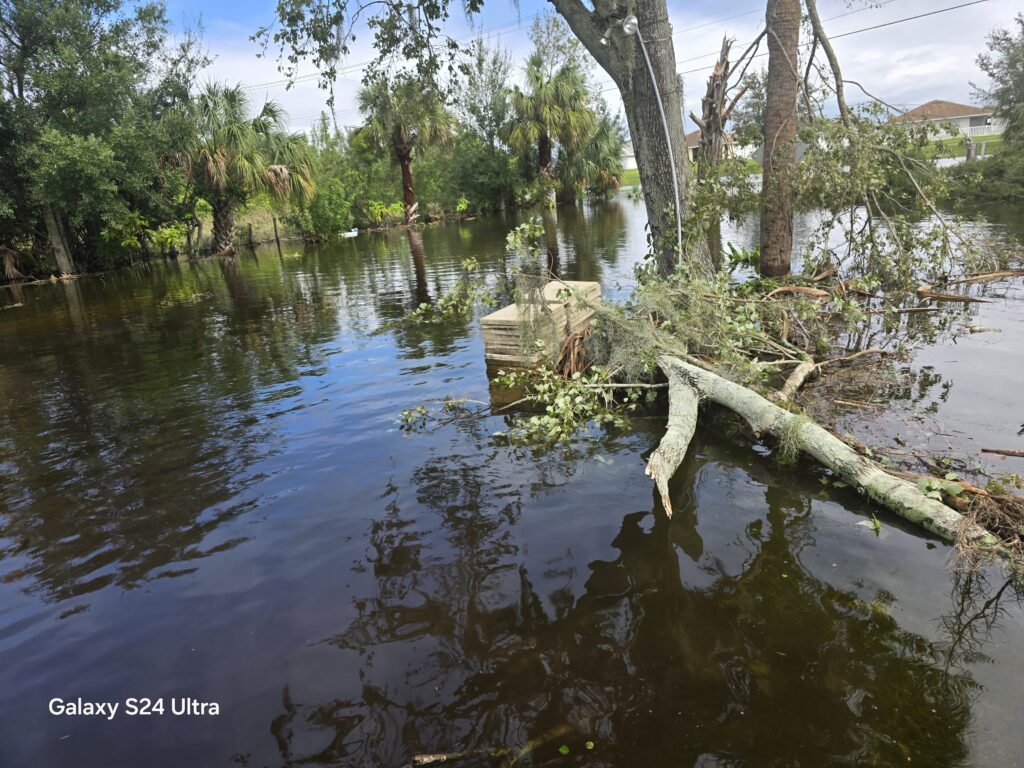
Similarly, IEC Florida West Coast, approached the Foundation after devastating hurricanes in their region. IEC Director of Chapter & Workforce Development Natasha Sherwood was chapter executive director at the time.
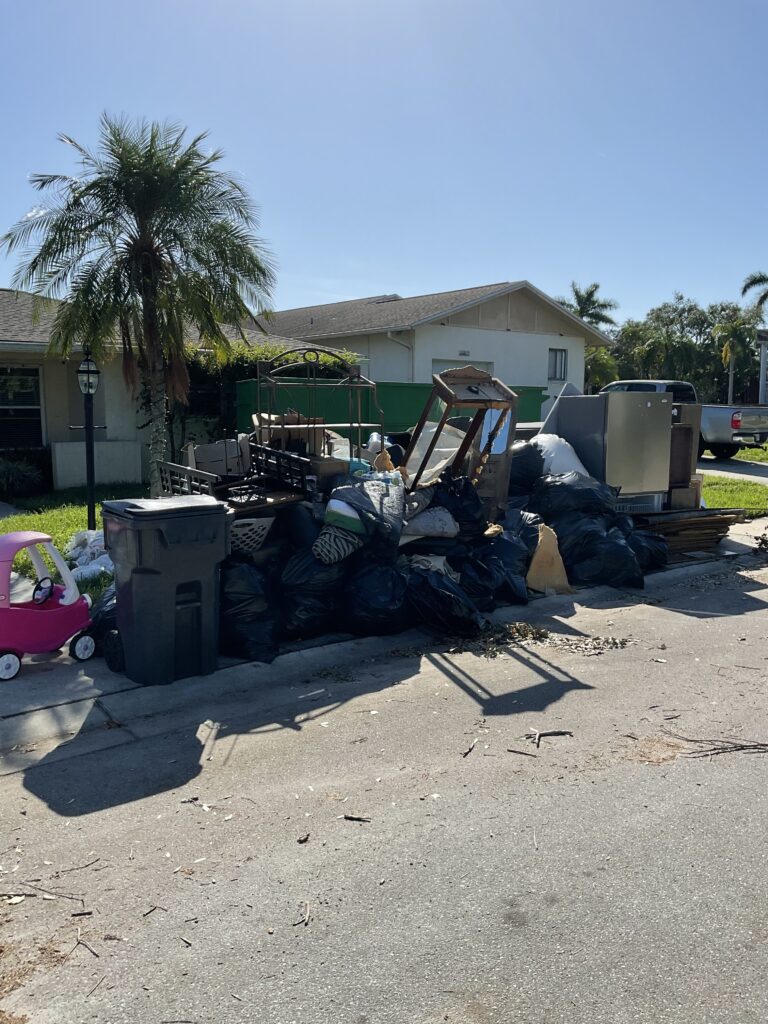
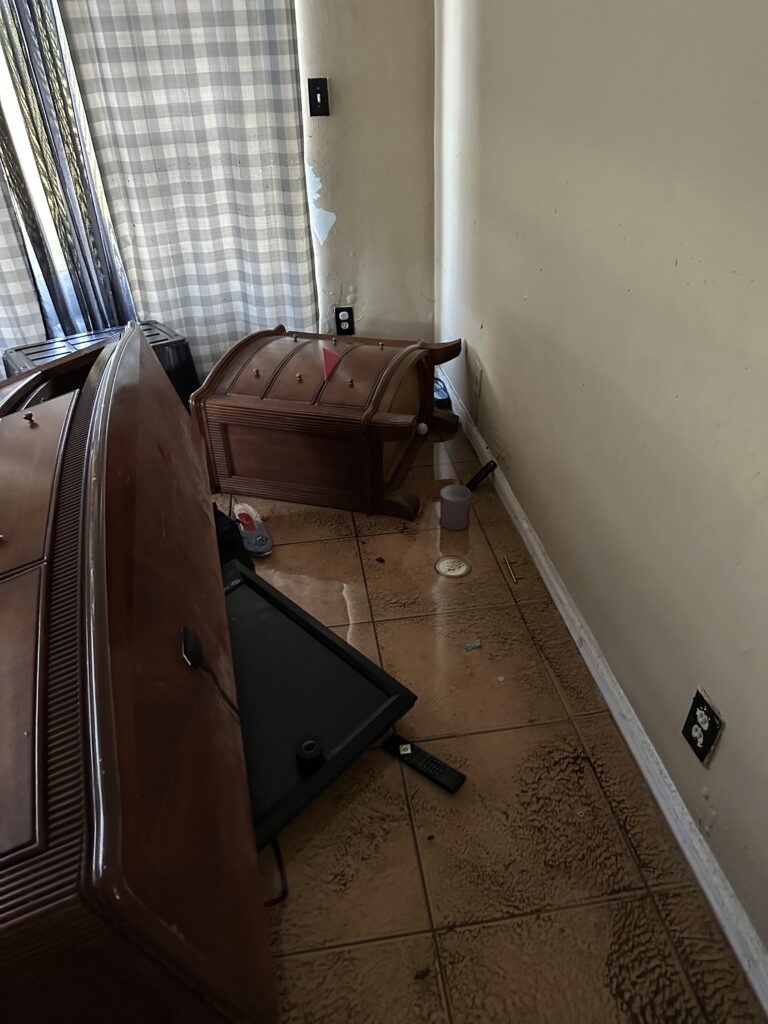
“The 2024 hurricanes affected our apprentices, instructors, and contractors,” she says. “All were impacted. Some lost homes, some had flood damage, some had wind damage, many lost their books, and many even had vehicles float away. Due to financial donations from the Foundation, all of our apprentices were able to jump back into class. Our instructors were able to have the resources they needed, and we were able to complete the year. Electricians are a tough group by nature. They don’t usually ask for help, they’re usually the ones helping others. But the Foundation was there for them.”
Disaster Relief Fund applications are submitted through the direct referral of an IEC chapter in good standing.

Watch the Foundation Video
Scroll down to bottom of the Disaster Relief Fund section.
The IEC Foundation does more; it also provides resources to help chapters prepare for emergency situations.
Proactive, Preventive Fund Use #1
A few years back, chapter leaders approached the Foundation to open discussion on ways that Foundation funds could be used to prevent disasters as well. The request was on the heels of an unlikely circumstance that happened in Nashville during an IEC National Industry Recognition Committee meeting at the then new IEC Middle Tennessee chapter headquarters.
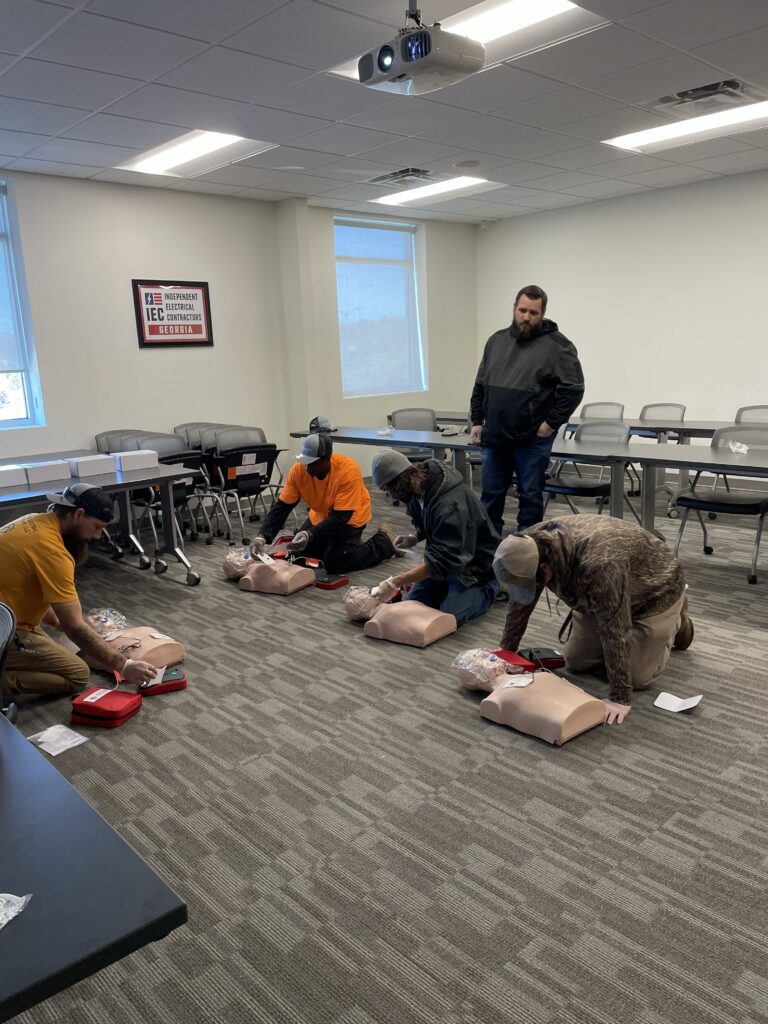
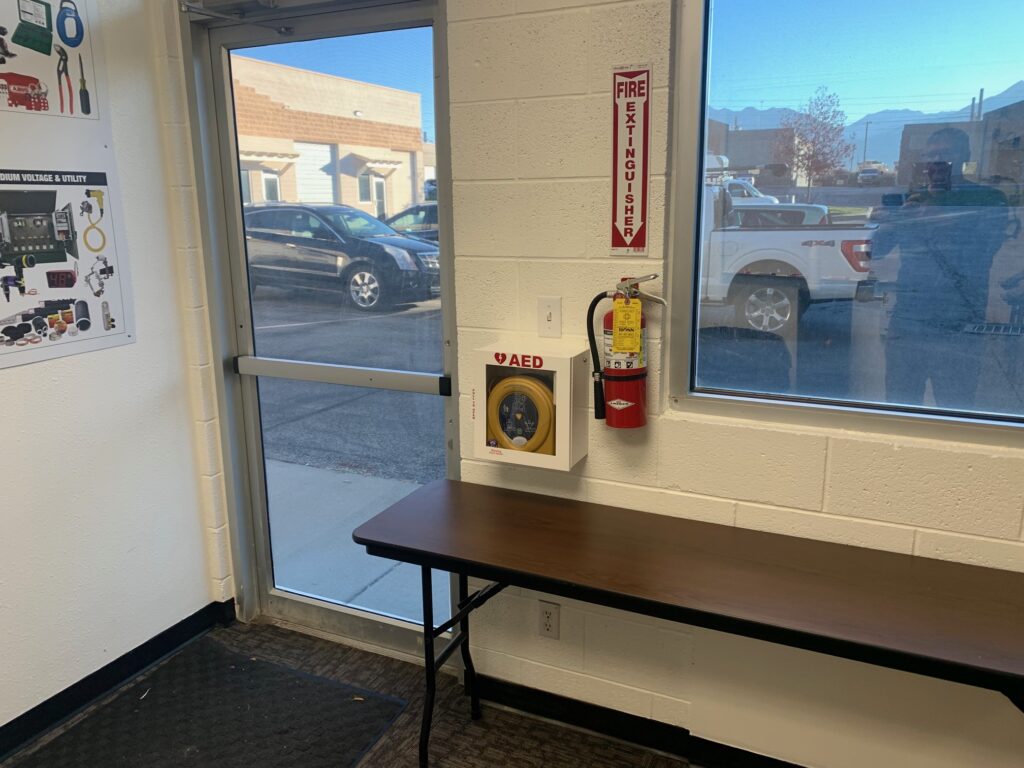
“We were in the back of the building, and we heard a large crash,” committee member Marilyn Akers Stansbury recalls. “Everybody ran to the front and saw that a car had run into the rental car of one of our team members, careened off of it into the nearby woods. A man got out of the car and he was obviously hurt; he was bleeding and disoriented. We called 911 and I went back inside to get the first aid kit and AED in case it was needed. There wasn’t one.”
This got Marilyn wondering how many other chapters didn’t have AEDs (automated external defibrillators) for use in emergencies. Also a trustee of the IEC Foundation, Marilyn approached them about the situation, and the Foundation made it happen. A total of 51 first aid kits were provided to 51 chapters, as well as 55 AED kits to 51 chapters.
Proactive, Preventive Fund Use #2
Like many IEC chapters, IEC Rocky Mountain puts a huge focus on helping educate its members about mental health issues, says Marilyn, executive director of the chapter. It is well known that the construction industry has high rates of mental health issues, due to ever-present risks, long hours, tight deadlines, and stressful situations. Often its predominantly young, male workforce also is cited as a factor.
The Construction Industry Alliance for Suicide Prevention states: Male-dominated industries tend to have more suicides. The macho, tough guy and stoic nature of construction workers can even discourage those who are most at risk for suicide from seeking help. Men, especially white men in their early 20s through their 50s, account for the bulk of suicides.
The Center for Construction Research and Training website (CPWR) says construction workers have significantly higher rates of injuries, fatalities, death by suicide, and overdose deaths than American workers overall. For example, although construction workers are only about 7% of the entire workforce, they are 16% of opioid overdoses. In 2023, there were 982 fatal injuries among construction workers, 15,910 fatal overdoses, and 5,095 suicides. A September 2024 CPWR bulletin boldly stated that construction has the highest overdose death rate and second highest suicide death rate of all American industries.
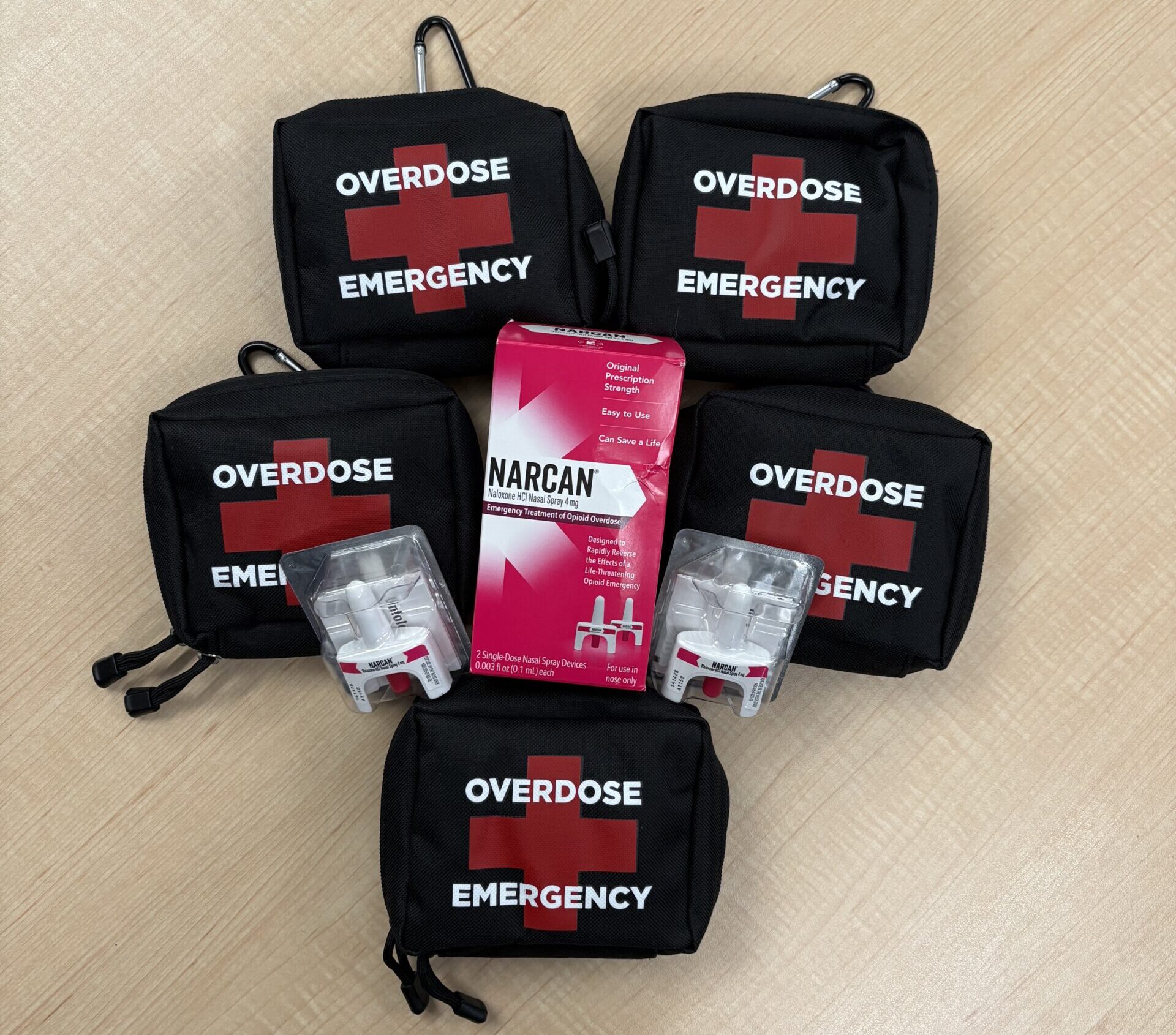
Statistics like these led to the most recent request to the IEC Foundation to supply chapters with Narcan to prevent disasters from drug overdose. Narcan is used for the emergency treatment of known or suspected opioid overdose.
“The person who inspired me to approach the Foundation for the Narcan project is one of our instructors, Andy Berrane,” Marilyn continues. “He and I had a conversation about different ways to give back to the industry, and about two weeks later he called me with an amazing story.”
Andy says he’s really into music and as a devoted Dead Head, he went to Las Vegas in May 2024 to see Dead & Company, a popular Grateful Dead spin off with ties to the original group. Andy, Golden Valley Electrical and IEC Rocky Mountain instructor since 2022, says they saw the opening show on Thursday and went again on Friday. After the Friday show, they decided to head over to EDC (Electric Daisy Carnival), the largest electronic dance festival in North America, which is held at the Las Vegas Motor Speedway. Andy was walking around before heading to see illenium, when a lady from the End Overdose booth called out to him to see if he wanted to learn about how to use Narcan to help someone who might be overdosing.
“I don’t do drugs, but I love learning, so I said yes,” Andy recalls. “I went into their booth where they taught a short class about overdosing, what to look for, what to do. Then they provided me with Narcan to use if I should ever need to help someone.”
His newly learned skills came in handy less than an hour later when he saw a man, about 22 years old, lying in the middle of a path, on asphalt, and not looking so good. He heard an audible voice that no one else heard. He says perhaps it was intuition, perhaps something else, but the voice told him to check on this person. Andy approached him, and tried to rouse him by talking to him and tapping him a bit. No reaction.
“They taught me in that booth to lift a person’s eyelids and shine my cell phone flashlight into them,” Andy recalls. “If it’s an opioid overdose, the eyes won’t dilate. His didn’t. The Narcan is an aerosol and I tried to hit him with it and missed because the dude’s head was rolling a bit. A girl saw me, and came over to help by holding his head still. This time I hit him right with the spray and he jerked up like a man coming up out of a lake. It gives me goosebumps to this day thinking about it. People say I saved a life. I disagree; End Overdose saved the life. I just happened to be at the right place at the right time.”
Andy says one of the things that was so impactful about this was that the victim reminded him of his son, who is about the same age, and he was clearly not a junkie, just a kid out trying to have a good time like millions of people do every weekend across the country. The victim was almost certainly sold some adulterated substance by an unscrupulous person.
Andy called Marilyn on his drive home to tell her about this experience. To this date, he’s never had to use Narcan on anyone again but knows it needs to be readily available, clearly marked, and people need to know where it is kept and how to use it. Andy carries Narcan with him in his vehicle to this day.
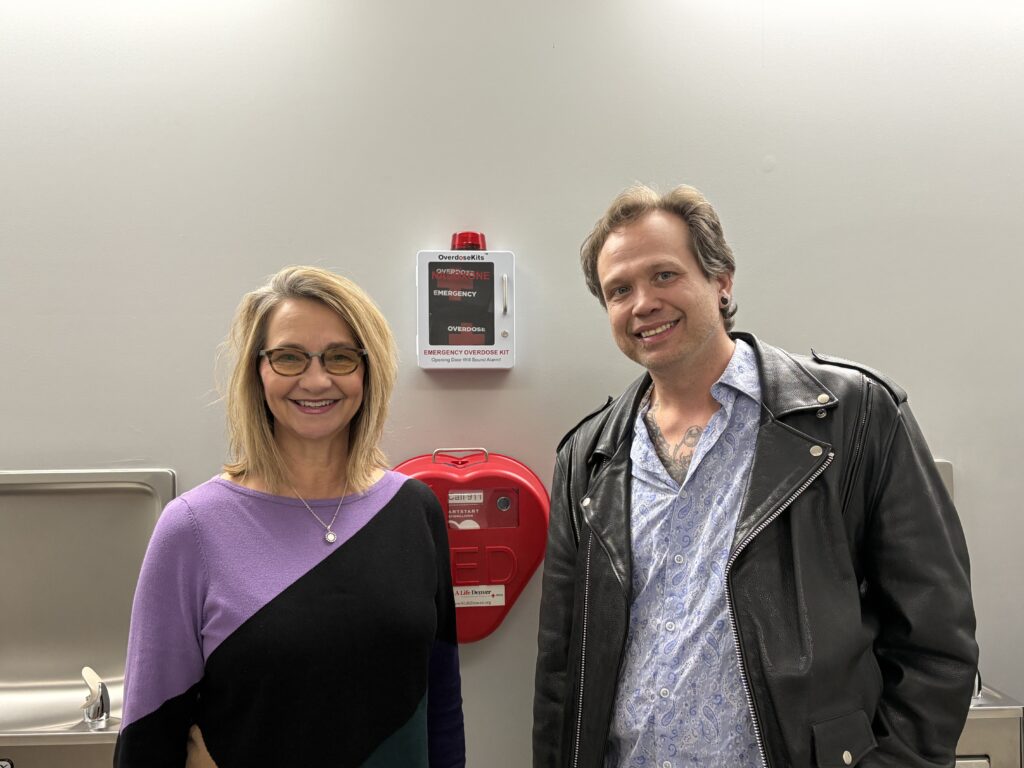
“Andy says he didn’t save a life; he says he was a vessel,” Marilyn says. “Obviously he had a major impact at that festival for that young man, and he had a major impact on me to do my part to get this relatively inexpensive and easy to use medication to reverse opioid overdoses in people’s hands.”
Not only did the Foundation come through with Narcan for chapters that requested, Marilyn says, but they supplied full kits and a detailed resource list, by state, for training opportunities and additional needs. The Narcan Safety Grant awarded nearly $8,000 in kits to 26 chapters.
“This is another example of what the Foundation is here for — to collectively support and lift up the industry,” Marilyn says. “This gave us a chance to, again, raise awareness of the importance of being prepared for emergencies.”
Electrical Contractors: Take Action Today
Are you ready in the event of an emergency? Talk with your team about how best to prevent disaster by having first aid, AED, and Narcan kits available at your shop and job sites.
The Foundation researched and put together a list of free resources, by state, for chapters who needed to find training and additional supplies. The Foundation is happy to share the link with IEC contractor members here.
End Overdose is a non-profit organization that had a booth at the music festival Andy Berrane attended. It is based in Los Angeles, CA, and is working to end drug-related overdose deaths through education, medical intervention, and public awareness. It includes free training resources.
Please Donate to the IEC Foundation Disaster Relief Fund
Visit this website to make a tax-deductible contribution to the IEC Foundation Disaster Relief Fund to continue helping the IEC family.