Every electrician, from apprentice to master, works with two fundamental types of current: AC (alternating current) and DC (direct current). They may seem simple at first glance, but understanding how they behave, where they’re applied, and what they mean for safety is critical to success on the job.
Think of electricity like water. DC is a river flowing in one steady direction, while AC is like an ocean tide, moving back and forth in a repeating rhythm. Both keep our modern world powered, but they do so in very different ways. Here’s a brief look at each type of current, how they’re applied in real systems, and why understanding the distinction matters on every job.
What Are AC and DC? A Quick Overview
In the simplest terms, DC travels only in one direction, with consistent voltage. AC switches direction extremely fast, approximately 50 to 60 times a second. That direction switch is why AC is best suited to transmit electricity across long distances, while DC is ideal when constant voltage is required.
To electricians, the distinction is crucial for safety and operation. Identification of the type of current being dealt with determines the equipment to employ, the protective gear required, and how the task should be approached. Misidentifying a system can lead to equipment damage and even produce serious hazards.
Direct Current: Stable, Straightforward Power
DC power flows unrestricted in a single direction, similar to water from a hose. Because of its stability, DC is applied where consistency matters most. Some simple examples include:
- Flashlights
- Backup units
- Solar panels, which supply DC that needs conversion to AC before pumping into the grid
- Portable devices such as laptops and cell phones
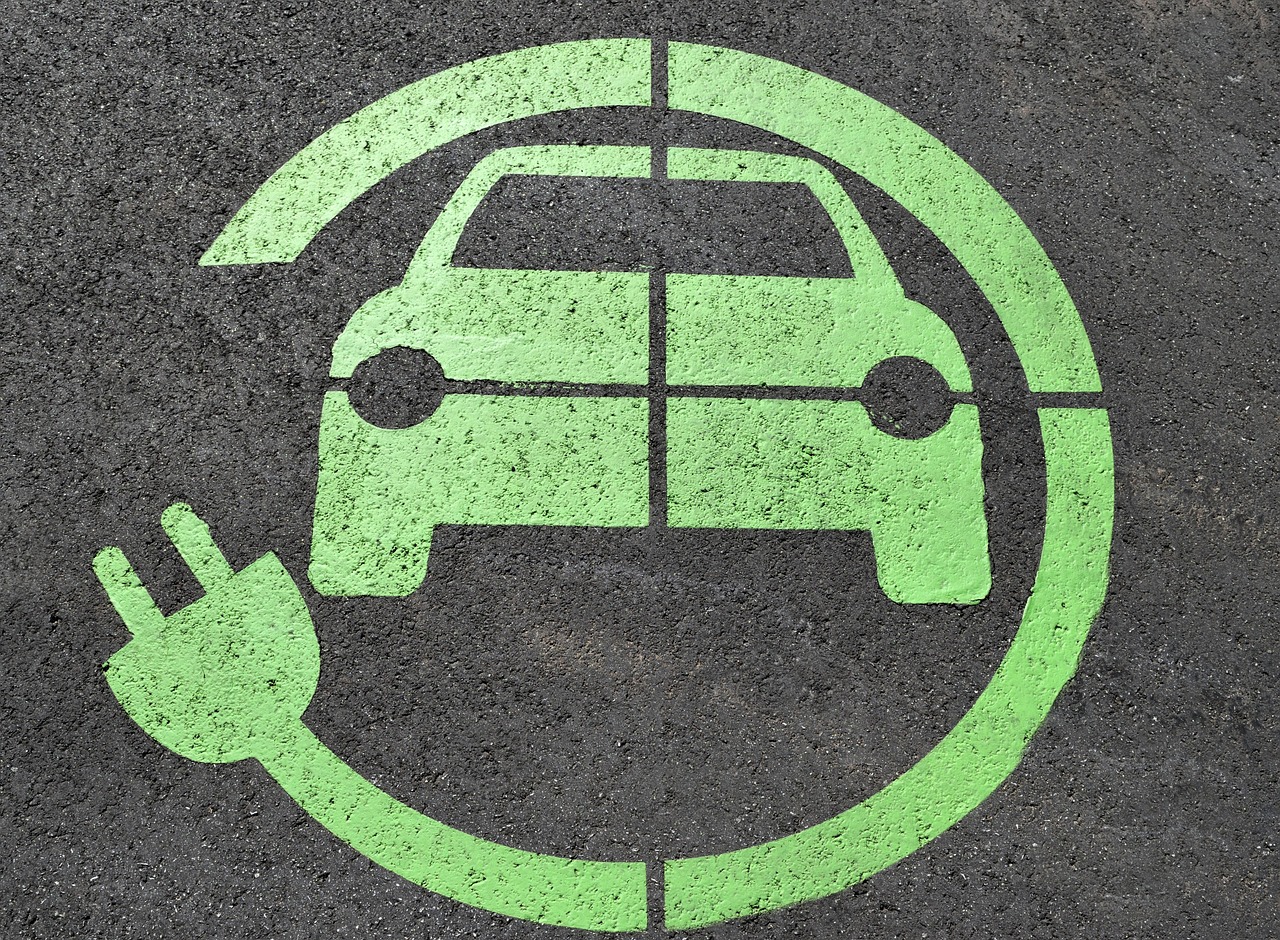
- Electric vehicles
The single biggest advantage of DC is its consistency. Sensitive electronics need to draw constant voltage, and DC offers it without oscillation. That’s the reason why nearly every device with a circuit board starts with DC power, even if it comes from an AC wall outlet.
But DC has its limitations. It does not travel well at large distances because voltage decreases at a quicker rate. Without complicated and expensive conversion equipment, it’s difficult to send DC hundreds of miles without a huge loss. That’s where AC fits in.
Alternating Current: Powering the Grid
AC current reverses direction back and forth, 60 times per second in the U.S. and 50 times per second in many other countries. This alternating nature makes it possible to change voltage levels easily with transformers, which is how AC won the so-called War of Currents in the early 20th century and became the basis of our power grids.
Each receptacle in a house or commercial building delivers AC. Streetlights, office buildings, factories, hospitals, and shopping centers all use AC because it’s cost-effective to transmit from power plants across cities and states. When you insert a phone charger or laptop adapter into the wall, that small device is actually converting the AC in the wall to the DC your electronics require.
AC Versus DC: Key Differences That Matter on the Job
Both AC and DC power are vital to modern electrical work, yet how they work and how you interact with them couldn’t be more distinct. For electricians, the differences aren’t merely technical; they guide everything from circuit design to personal safety in the field.
Out in the field, having a few important distinctions top of mind can mean the difference between an efficient, safe installation and an expensive or deadly error:
- Direction and voltage: DC travels in one direction at a set voltage, supplying stability for control systems and sensitive electronics. AC travels back and forth in a cyclical motion, making it feasible to step it down or up in voltage with the help of transformers, which are required for grid power and large-scale transmission.
- Safety implications: DC shock is more likely to cause prolonged muscle contraction, while AC is more likely to cause disturbance of the heart’s rhythm. DC circuits are also more likely to cause prolonged arcing, so breakers and protective devices must be chosen carefully. Staying up to date with electrical codes and standards will help make sure your work consistently meets safety requirements and industry expectations.
- Efficiency and performance: AC is unparalleled for long-distance transmission since it can be transmitted at very high voltages with minimal loss. DC, however, is the choice in low-voltage or localized systems where stability is critical, such as solar arrays, EV chargers, and electronics.
- Tools and handling procedures: An AC-calibrated meter will not provide correct readings on DC. Disconnects, fuses, and lockout/tagout procedures may vary with the current. Verifying the system type prior to testing or troubleshooting is one of the easiest methods of avoiding expensive errors and keeping your fellow crew members safe.
Paying attention to these differences in the field makes you a safer, more aware electrician. Whether wiring a service panel or diagnosing an EV charger, taking the time to check if you are working with AC or DC helps ensure the correct tools, the correct technique, and the correct outcome every time.
What New Electricians Need To Know
For apprentices and newcomers, an understanding of the difference between AC and DC is the basis for safe, skilled electrical work. Both systems will show up again and again throughout your career, often in very different contexts and for very different purposes. Gaining fluency with each type of current makes you a better fit for the job site, prepares you to work with the latest technologies, and, most importantly, helps keep you and your crew safe.
Building that fluency takes more than classroom study — it requires real-world practice under the guidance of skilled professionals. That’s where a practical electrical apprenticeship comes in. Books can teach the theory, but working alongside experienced electricians helps you build the instincts you’ll rely on every day. IEC, a nationwide merit shop trade association with 53 campuses, offers programs that take you from AC and DC basics to advanced systems used on today’s job sites. And because learning doesn’t stop after apprenticeship, IEC continues to support electricians through its Workforce Development Institute, which strengthens the pipeline of future electricians and supports members throughout their careers.