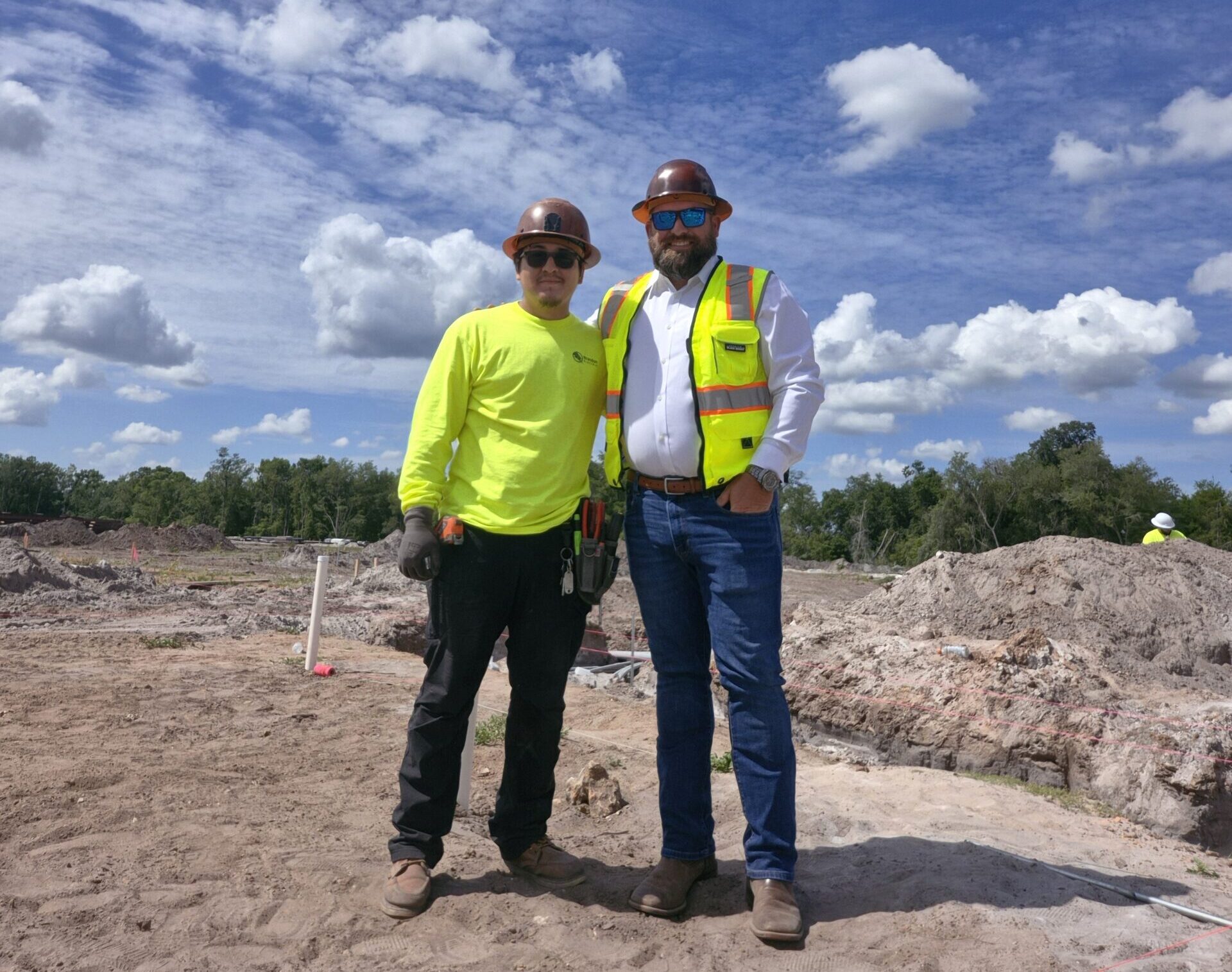
National Apprenticeship Week (NAW) is a nationwide celebration honoring the success and value of apprenticeship to strengthen the economy, develop a highly skilled workforce to meet industry needs, and create pathways for career seekers into in-demand jobs. In 2026, NAW was celebrated April 26-May 2.
IEC recognizes the essential contributions of its apprentices, as well as its instructors, contractors, and chapter leaders who invest daily in the future of the electrical industry. For IEC merit shop electrical contractors, securing and training apprentices and recognizing NAW demonstrates commitment to growing the next generation of skilled professionals who will power our nation’s infrastructure and economy. IEC members fully support their greatest asset — their people. Read below about how apprenticeship affected a few IEC members.
For more stories, search #IECTrainsAmerica on IEC social media sites to see the many ways IEC apprentices stole the show during NAW 2026.
Experience Both Sides

Troy Puleo is a second-generation leader in his family’s business, All Phase Electric and Maintenance in Tampa, FL. All Phase Electric was founded in 1977 by Troy’s parents, Paul and Sharon Puleo, on the core principles of integrity, quality, a commitment to excellence, and —most importantly — a foundation of Christian values. All Phase Electric and Maintenance is proud to provide quality electrical systems and services that create outstanding value for its construction partners.
“Both my brother Travis and I started in the electrical trade at a young age,” Troy explains. “As you can imagine with both our parents running an electrical contracting company, we worked during summers in high school wherever we were needed — whether in the warehouse or out on job sites. After graduating from high school, I went directly into the IEC Apprenticeship Program and learned the trade from the ground up. These early experiences gave me a strong foundation and helped me develop a deep respect for our standard of excellence, which defines our company today.”
After apprenticeship graduation, Troy passed his journeyman’s exam and advanced within the company to foreman, where he supervised crews and managed daily field operations while ensuring quality, safety, and efficiency on every project. His lifelong learning journey continued by obtaining his unlimited electrical contractor’s license and transitioning into project management and other leadership roles. Troy now serves All Phase Electric as president, focusing on leadership and operations while continuing the legacy of excellence his parents established.
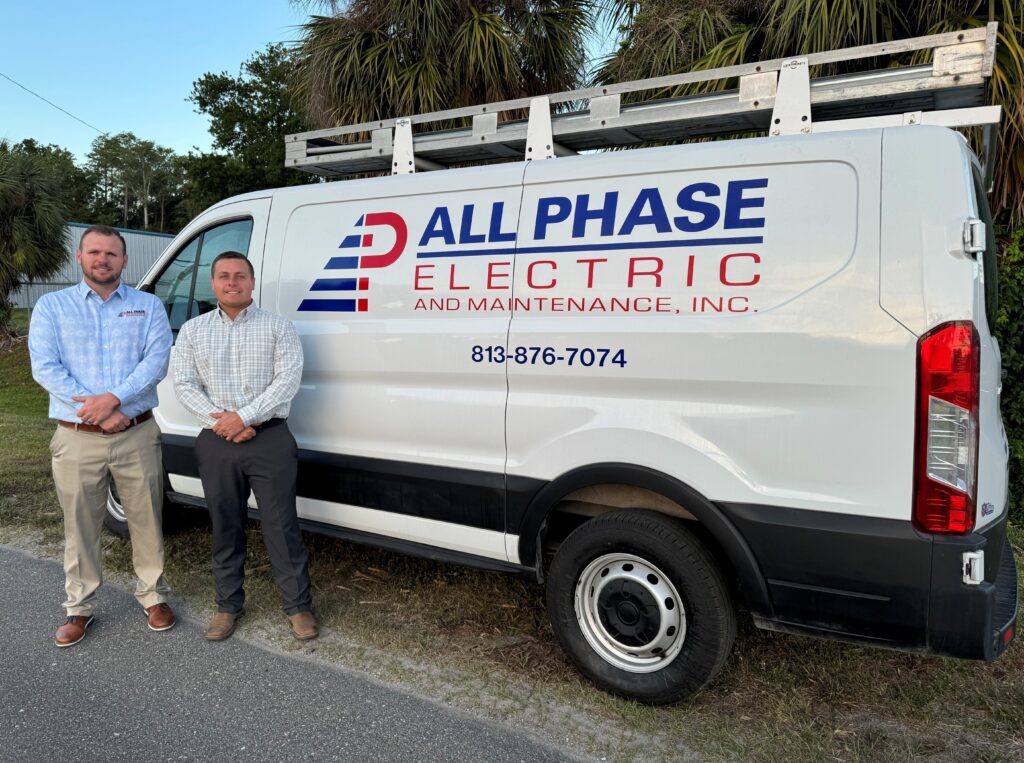
“Today, we remain a family-owned business based on strong Christian values,” Troy continues. “As second-generation co-owners, my brother Travis and I are blessed to be joined in business by my two sons, Trent and Trevor, as the third generation committed to upholding the godly values and work ethic that have guided us for decades.”
Troy, Travis, and the full All Phase Electric leadership team fervently support apprenticeship because it strengthens both the individual and the company. The apprenticeship program is built around performance, skill development, and advancement based on ability — creating measurable benefits on both sides.
“A well-qualified, skilled workforce enables contractors to compete at a very high level and meet or exceed today’s customers’ expectations,” Troy summarizes. “Benefits for contractors include reliable workforce development and retention, promoting high quality and productivity while guarding safety performance and a culture committed to excellence. The talent pipeline provided by the program also fosters long-term leadership development from within the company. In addition, apprenticeship translates to a natural competitive advantage for the contractor by enhancing a reputation for safety, strengthening bid competitiveness, and supporting consistent project delivery.
“For apprentices, the benefits are equally compelling,” he continues. “Participants earn while they learn — gaining hands-on experience alongside classroom instruction — without incurring student debt. Advancement is merit-based, providing a clear pathway for motivated individuals to continually progress through demonstrated skill and initiative. Graduates gain nationally recognized credentials, expanding earning potential and opportunities for advancement into leadership roles.”
Troy and All Phase Electric are active members of IEC Florida West Coast, a commitment begun by Paul and continued by Troy and Travis. Troy proudly indicates that his sons, Trent and Trevor, now carry forward this same passion and dedication to training the next generation of electricians. Both sons graduated from college in addition to completing the four-year IEC Apprenticeship Program. Trent also completed the IEC Emerging Leaders program in 2024, further demonstrating the company’s ongoing investment in leadership development within the industry.
“I cannot overstate how passionate we are about training and mentoring; we firmly believe in the value and impact of apprenticeship programs,” Troy adds. “In fact, 90% of our management staff have completed the apprenticeship program, and we currently have nearly 125 apprentices as part of our team.”
Maximize the Partnership

No doubt about it — apprenticeship is an opportunity. Similar to his fellow IEC Florida West Coast member Troy Puleo, Brandon Electric Director of Commercial Construction Ray Delphey believes in investing in people.
“At Brandon Electric, we focus on teaching and mentoring the men and women of our organization to ensure the next generation of leadership develops with the same values and vision as those before them,” Ray states. “As a director, I focus on passing along my knowledge by setting clear expectations and goals while giving apprentices the opportunity to learn through real-world experience. I believe growth comes from actively engaging in the work, whether that means getting it right the first time or learning from mistakes. In my experience, individuals gain a deeper understanding and retain knowledge more effectively when encouraged to problem-solve through hands-on situations.”
Cesar Calderon works at Brandon Electric and just completed year four in the IEC Florida West Coast Apprenticeship Program. He celebrated graduation with his classmates May 15.
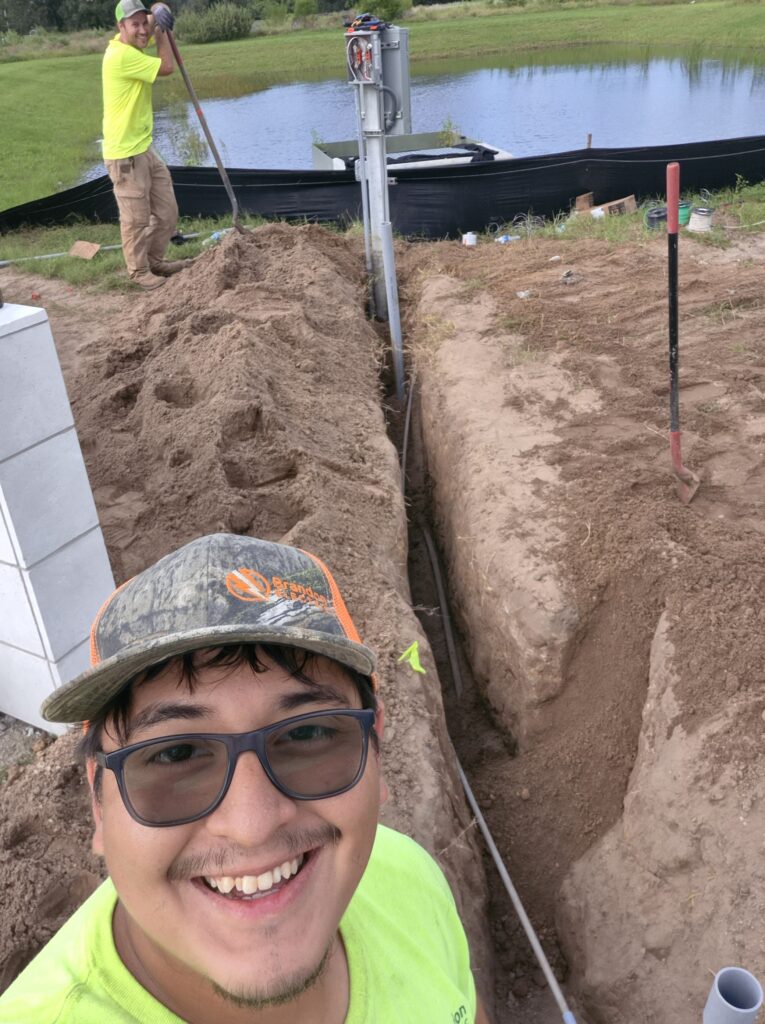
“I’ve had the pleasure of working with Ray since the start of my work on Brandon Electric’s commercial side,” Cesar says. “He’s an outstanding electrician, and I’ve learned so much from him.”
Cesar feels a ‘good fit’ with his supervisor and one from which he has benefitted greatly.
“My family has a background in construction,” Cesar explains. “My father was a carpenter, and my four brothers work in the trades as well. During spring and summer breaks, I would always help them out. But I’m the first electrician in the family.”
Cesar always was intrigued by electrical. How houses are wired, for example, always was a mystery to him. That fascination led to his first position as a temp worker and then to Brandon Electric and his chance to go into the IEC Apprenticeship Program. Since that first year, he has appreciated how the classes and the field learning go together and what he needed to do to be successful.
“In school, you learn about how electrical works, calculations, theory, and why we do things the way we do,” Cesar says. “In the field, you get to use that information at a client’s house or job site. You need to use that critical thinking to figure out various scenarios and what is causing something not to work as it should.”
Cesar believes there are three basic keys to being successful early in your apprenticeship — follow directions, anticipate next steps of your lead technician, and be honest about what you know and what you don’t know.
“That’s an important one,” he notes. “Sometimes apprentices think that they know something, and they tell the technician that they do. Then they do that task and it’s not right. The technician now has to come back and explain it. It’s better to be honest and upfront about what you don’t know and what you do know. That way, the technician can play on your strengths and assist with your weaknesses.”
Cesar also recommends paying attention to small details, like making sure you have on a clean work uniform with shirt tucked in when speaking with customers or watching how you speak in public when wearing a company shirt.
“I believe that for apprentices to be successful, they must dedicate time and effort to thoroughly studying the code book and learning how to properly navigate and interpret it,” Ray notes. “While classroom instruction provides a strong foundation, hands-on experience in the field is equally if not more valuable. Apprentices should actively apply what they learn in the classroom to real job site situations. This allows them to excel in the field and develop a deeper understanding of concepts that others not enrolled in a formal training program may struggle to grasp.
“I have seen Cesar develop tremendously since he began working here,” he adds. “When he first started, he was a first-year apprentice who lacked confidence in reading blueprints. Now, as a fourth-year apprentice, he has successfully managed projects from start to finish when needed. His growth over the past three-and-a half-years has been impressive. I believe Cesar has a very bright future in the electrical industry; his drive to be the best consistently shows through his work ethic and continued development.”
Lock In on Proper Training
Chad Cook, senior project manager at Altimate Electric Inc. in Mount Airy, MD, is an IEC Apprenticeship Program graduate who now sees the program’s impact from a leadership perspective and currently sits on the IEC Chesapeake Executive Board as vice chairman.
Chad began his journey in the electrical trade through a career and technical education program in high school. After graduating in 2000, he spent several years working in the field before learning about IEC. He took the initiative to contact the organization and enroll in its four-year apprenticeship program. At the time, he was employed by a smaller company and personally funded his first year of schooling. During that first year, he joined Altimate Electric — where he has remained for more than 21 years.
With a strong training foundation and the support of a company that values internal growth, Chad quickly recognized the opportunities available to him. When he started, Altimate Electric employed approximately 25 people. Today, the company has grown to nearly 250 field employees. Over the years, Chad progressed from a foreman managing smaller projects to leading some of the company’s largest jobs, building more than a decade of field experience.
He later transitioned into the office as general superintendent, where he oversaw operations including field teams, safety, human resources, recruitment, and daily business functions. After approximately seven years in that role, he advanced to his current position as senior project manager, where he continues to expand his expertise — now focusing on the financial and risk management aspects of the business.
Each stage of Chad’s career has reinforced the importance of quality training and professional development. His experience validated his early decision to pursue the IEC Apprenticeship Program and shaped his appreciation for companies that invest in their workforce. Today, Chad plays an active role in supporting apprenticeship initiatives.
“We have about 80 individuals enrolled this year, ranging from pre-apprentices to fourth-year apprentices,” he notes. “We were also one of the first companies in Howard County to graduate a student from the school-to-apprentice program.”
The IEC Chesapeake school-to-apprentice program allows high school students to work with member contractors from 6:00 a.m. to 10:00 a.m., attend school in the afternoon, and participate in apprenticeship classes on Fridays. Graduates of the program enter the workforce as second-year apprentices, giving them a significant head start in their careers. The program also incorporates advanced training such as BIM and 3D modeling, blending traditional trade education with modern technology.
Chad is a strong advocate for the program. While it requires a high level of commitment from both students and employers, he believes the long-term benefits far outweigh the challenges.
“It can be difficult for contractors to manage scheduling when apprentices only are available part of the day,” he explains. “However, investing in these students early is extremely valuable for both the company and the individual. We’re building the next generation of skilled workers.”
In his role, Chad works closely with the IEC Chesapeake chapter to promote awareness among students, schools, and contractors. Apprenticeship candidates are evaluated through testing, and participants in the school-to-apprentice program also must provide recommendations from their teachers. Chad emphasizes that while expectations may be adjusted slightly for younger participants, the core values remain the same: reliability, attentiveness, a willingness to learn, strong work ethic, and a commitment to safety.
“I can teach the technical skills,” he says, “but they have to bring the right attitude and mindset.”
The success of the program is evident. The first school-to-apprentice student hired by Altimate Electric is still with the company today — demonstrating the lasting impact of early investment in training and development.
Quest for Excellence
IEC is dedicated to strengthening the electrical workforce by providing comprehensive training and safety resources to employees of contracting businesses. The organization’s commitment extends to nurturing emerging industry leaders and engaging with third-party organizations to inspire youth about career opportunities in the electrical trade. That commitment also includes continuously working to perfect the apprenticeship model.
Additionally, IEC plays a vital role in influencing industry codes and standards while conducting research to promote advancements in the profession. A recent white paper, Beyond Recruitment – When the Market Will Not Wait, discusses today’s workforce challenges. While interest in the trade is growing, apprenticeship systems are not expanding at the same pace. The executive summary states:

Training skilled electricians takes time, supervision, and sustained employer investment. Contractors can only take on as many apprentices as they can properly support. Once that limit is reached, additional recruitment creates a backlog rather than increasing the number of trained professionals.
As demand accelerates across sectors like data centers, healthcare, and advanced manufacturing, the pressure to deliver projects quickly is reshaping how work gets executed. In response, the market begins to shift toward alternative labor approaches that prioritize speed.
Download the full white paper to explore the complete analysis and recommendations. To get involved in the conversation regarding this paper, contact IEC Executive Director Amy Biedenharn at abiedenharn@ieci.org.
“Through IEC initiatives and the efforts of dedicated contractors, IEC National and its chapters are fostering a skilled and informed workforce that is preparing to meet the evolving demands of the electrical industry,” summarizes IEC Director, Chapter & Workforce Development Natasha Sherwood. “This involves considering all apprenticeship pathways and the impact they have on careers and the industry as a whole.”