
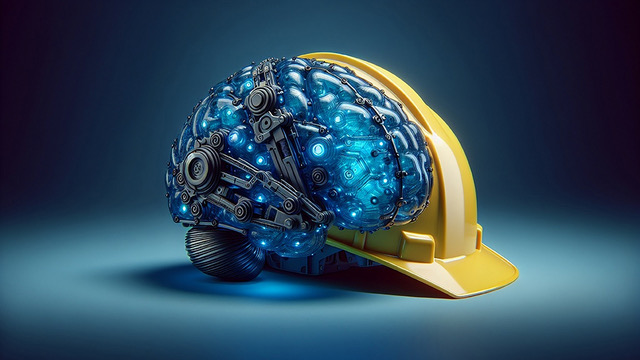
The construction industry has always been defined by resilience. Trade professionals show up every day prepared to solve problems, meet demanding schedules, and perform work that requires focus, precision, and physical endurance.
But behind that resilience, a growing challenge is affecting the workforce across the industry — burnout. By understanding these pressures, companies can begin building awareness around what can be described as mindset readiness — the mental state required for workers to remain focused, alert, and prepared for the demands of their work.
Labor shortages, compressed project schedules, financial pressures, and the demands of balancing work and personal life are placing increasing strain on many workers. While these pressures may not always be visible, their effects are real — and they often appear where the industry can least afford them — on the job site.
Burnout is often viewed as a personal wellness issue. In construction, however, it also should be recognized as a safety issue. Fatigue, stress, and emotional strain can affect concentration, reaction time, and situational awareness. When these conditions begin to accumulate, even highly skilled professionals may find their performance impacted in subtle but meaningful ways.
In high-risk environments like construction, those small changes in focus can make a difference.
Silent Pressures Behind the Hard Hat
In construction, strength is often measured by the ability to push through adversity. But that same culture can sometimes lead workers to mask emotions and endure challenges in silence. Financial pressures, family struggles, fatigue, and personal stress often are carried quietly onto the job site.
This silent suffering may not be visible, yet over time it can erode focus, decision-making, and situational awareness. When skilled professionals are operating under that kind of mental strain, even small distractions can increase risk.
Recognizing these pressures is not about weakening the industry’s culture of resilience — it is about strengthening safety by acknowledging that a worker’s mindset is just as important as the tools in their hands.
The construction industry has made tremendous progress by addressing physical hazards through training, safety programs, and protective equipment. But many leaders are beginning to recognize that mental readiness also plays a critical role in safe performance.
The Hidden Safety Risk: Impaired Mindset
Construction professionals rarely leave their personal challenges at the gate. Stress from finances, relationships, health concerns, sleep deprivation, or workplace demands can follow workers onto the job site.
When several of these pressures occur at the same time, individuals may begin operating in what can be described as an altered or impaired mindset.
This doesn’t reflect a lack of professionalism or commitment. In fact, many incidents involve highly capable workers who simply experienced a moment where their mental readiness was compromised.
Across safety research and incident investigations in many industries, one theme consistently appears: human performance is directly influenced by mental and emotional condition.
In construction environments — where attention to detail and quick decision-making are essential — those factors can directly affect safety outcomes.
Recognizing the role of mindset does not replace traditional safety practices. Instead, it strengthens them by addressing an often-overlooked dimension of job site performance.
Understanding Mindset Risks
To help organizations better understand how mental and emotional pressures influence safety, the concept of 14 mindset risks has emerged as a practical framework for identifying factors that may impair mental readiness. When developing Lifeline 14, I identified mindset risks from lived experience in the construction industry and informed by established research on suicide risk, including Joiner’s Interpersonal Theory and data from Centers for Disease Control and Prevention, National Institute for Occupational Safety and Health, and The Center for Construction Research and Training.
These risks represent common pressures that construction professionals may experience both on and off the job site. They can include challenges such as:
- Fatigue and sleep deprivation
- Financial stress
- Emotional strain
- Burnout and mental exhaustion
- Workplace conflict
- Family or relationship pressures
- Substance use
- Distractions from personal challenges
While any single factor may affect focus or mood, the real concern arises when multiple pressures accumulate at the same time.
For example, a worker dealing with poor sleep, financial stress, and schedule pressure may begin the workday already mentally taxed. When job site demands increase, the margin for error becomes smaller.
The goal of identifying these risks is not to place blame on workers. Instead, it helps organizations recognize a simple reality: construction professionals are human, and their mental condition influences how they perform. Electrical contractors can help their employees recognize these pressures and deal with them before they affect safety and productivity.
Recognition and Training as Countermeasures
The encouraging news is that burnout and impaired mindset are not unsolvable challenges. Organizations across many industries have found that recognition and training can significantly reduce the impact of these risks.
Just as workers are trained to recognize physical hazards, they can also be trained to recognize mindset risks that may affect themselves or their teammates. Effective approaches often include:
- Training supervisors and leaders to recognize signs of burnout or mental fatigue
- Helping workers identify when personal pressures may be affecting focus or awareness
- Integrating mindset awareness into safety meetings and toolbox talks
- Encouraging peer awareness and supportive job site culture
- Reinforcing that asking for support is a strength — not a weakness
When workers begin to understand how these pressures affect performance, they gain the ability to pause, reset, and refocus before risks escalate.
In many cases, simple awareness can prevent the kind of distraction or fatigue that leads to safety incidents.
The Role of Industry Leadership
Organizations like IEC play an important role in helping contractors prepare their workforce for the evolving demands of the industry.
For decades, safety culture in construction has focused on eliminating physical hazards and improving procedures. Expanding that focus to include mental readiness and human performance represents a natural next step.
By helping contractors understand the connection between burnout, mindset, and safety performance, industry organizations can equip leaders with practical tools that strengthen both workforce well-being and job site safety.
Many contractors are already beginning to recognize that supporting workers’ mental readiness also can improve engagement, communication, and retention.
Building a More Resilient Workforce
Burnout in construction is not simply a personal issue — it is an operational challenge that affects teams, projects, and organizations.
Recognizing mindset risks gives the industry an opportunity to address the human side of safety in a way that complements existing safety systems.
When workers are mentally prepared, focused, and supported, they are better equipped to perform the demanding work construction requires.
And when organizations invest in strengthening mindset readiness, they are not only protecting their workforce — but they also are strengthening the entire industry.
Through continued collaboration between contractors, industry associations, and workforce development programs, the construction industry can continue advancing safety in ways that protect both the physical and mental readiness of the people who build our communities.
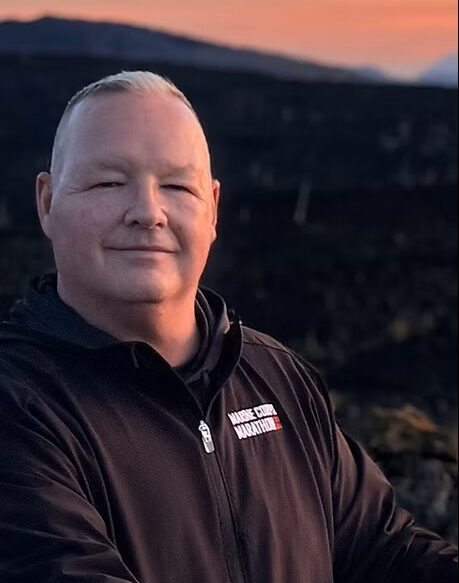
Justin Azbill, Ph.D., chief servant leader / Mission Mindset Inc., works with construction organizations to advance Mindset Readiness initiatives that help strengthen workforce resilience, safety awareness, and leadership performance across the skilled trades. For comments or questions, email justin@thetribalgroup.org.