
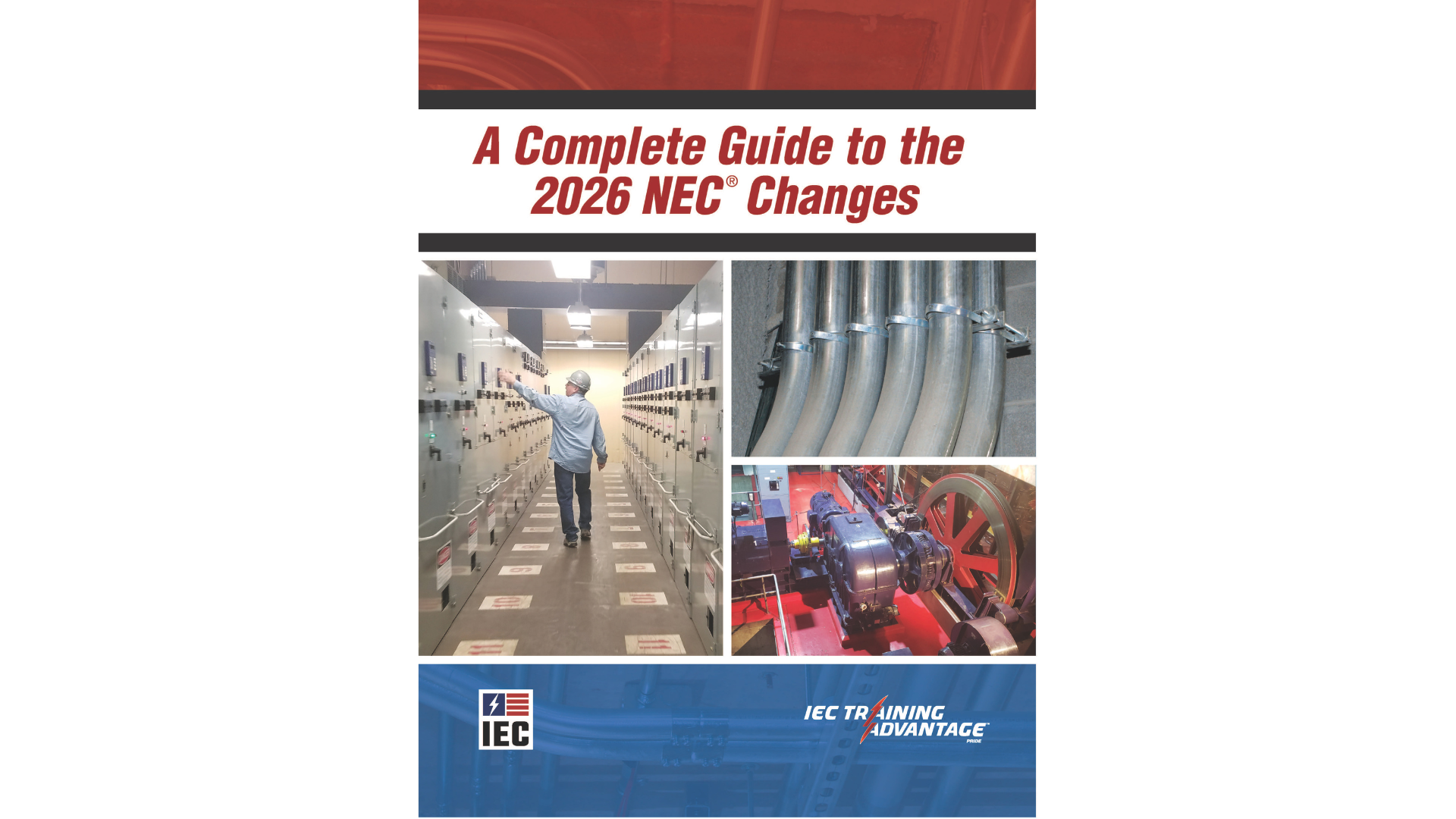
The 2026 edition of the National Electrical Code® (NEC®) is the result of more than 4,000 public inputs (formerly called “proposals”) and just fewer than 2,000 public comments. There were hundreds of changes made, and over the next year we plan to cover some of the most important ones. Global changes were covered earlier.
In this article, we focus on five of the key changes made to Chapter One.
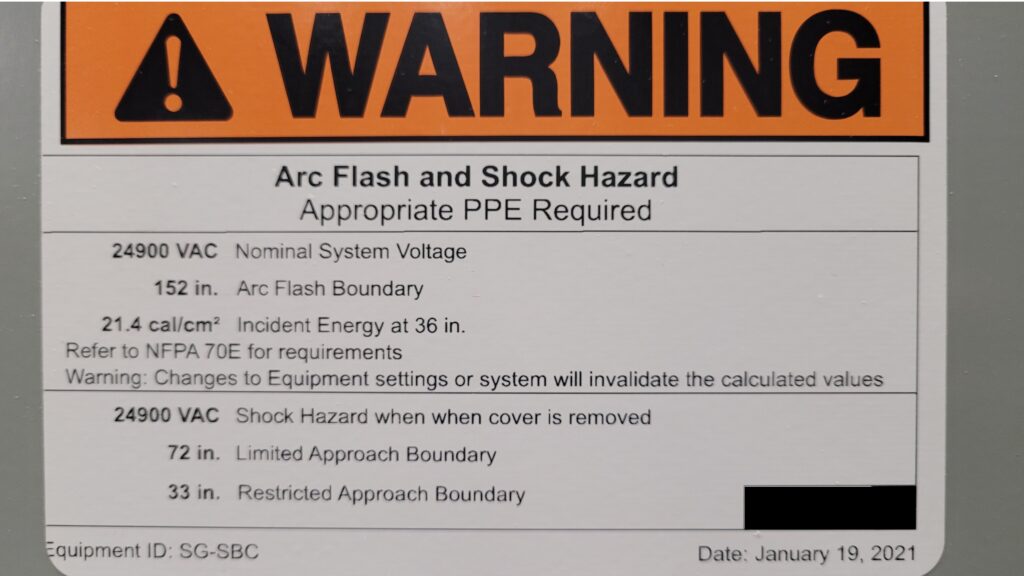
110.16: Arc-Flash Hazard Warning
The arc-flash marking requirements were revised to correlate with NFPA 70E®, Standard for Electrical Safety in the Workplace®.
Since its inception in the 2002 NEC®, 110.16 has been revised every three years like clockwork. Without a doubt, the most significant of those changes is this one. Without saying it directly, it is clear that the NEC® is requiring the installer to apply the label that NFPA 70E® requires. Just like in NFPA 70E®, the label must include the voltage, the arc flash boundary, and information on how to dress (i.e., incident energy or PPE requirements). Unlike NFPA 70E®, the date that the values on the label were determined must also be included. These values will help qualified persons understand how to dress if energized work, such as troubleshooting or measuring voltage, is needed.
These values are typically derived using expensive software and those without the software will likely need to hire an engineering firm or similar that does or they will need to familiarize themselves with the “table method” in NFPA 70E®.
110.26: Spaces About Electrical Equipment
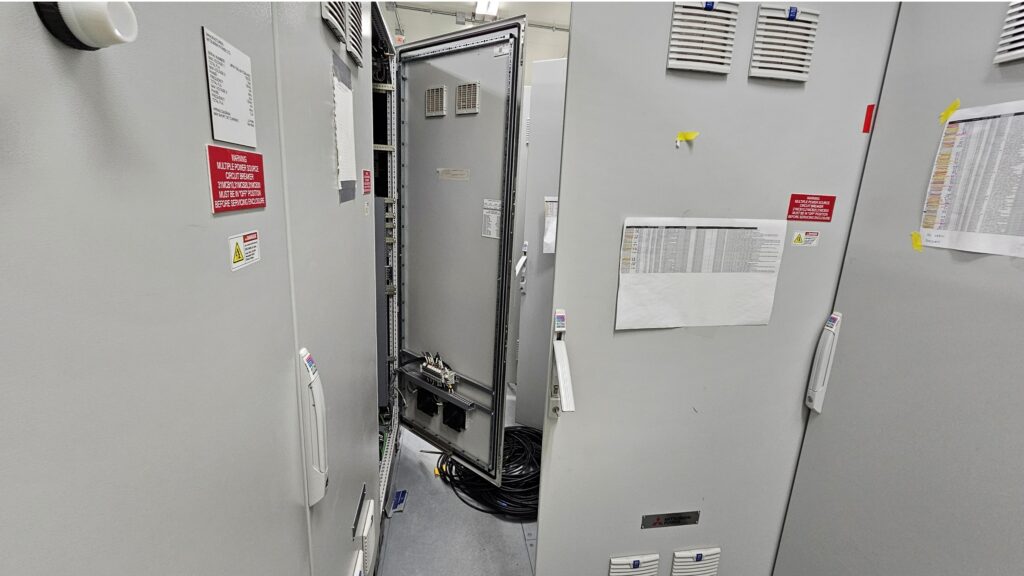
The access/egress obstruction requirements were clarified.
Since its addition to the 2020 NEC®, the language regarding access and egress obstruction has been controversial. Changes in the 2023 NEC® clarified that obstruction is considered to be a reduction of width and height to less than 24” wide and 6’ 6” high, which was a welcome clarification. But is this to be measured with equipment doors opened to 90 degrees or opened to greater than 90 degrees? If two pieces of equipment facing each other have doors that can open 180 degrees, it would be hard to imagine an obstruction of access and egress. But the clarification in the opening text of 110.26 indicates that you must measure for this obstruction for equipment that can be opened 90 degrees, which seems to require that you measure with the doors at 90 degrees, even if they can open to 180 degrees. This means that you receive no reduction in the required width for equipment with doors that can open 180 degrees. According to proponents of this clarification, this was to address the worst-case scenario of a worker propping the doors open 90 degrees, even if the doors could possibly open 180 degrees.
120.7: Power Control Systems (PCSs)
Using a PCS for load calculations is now a general provision (Part I) and the allowances were clarified.
Section 220.70 was added to the 2023 NEC® to recognize energy management systems. That section provided very little in the way of technical requirements, however. For the 2026 edition the section was moved to Part I, which is where it likely should have been placed all along. The term “energy management system” is no longer used in the section because it was replaced by “power control system.” An EMS simply monitors and controls loads, which could be as simple as turning them on and off. A PCS, however, monitors and controls loads to prevent overloading of conductors and equipment. If a simple EMS is used to turn things on and off and prevent simultaneous operation of loads, 120.6 applies. If a PCS is used, which controls loads to prevent overloading, this section applies.
120.41: Dwelling Units
The lighting and general-purpose load calculations for dwelling units were reduced by 33 percent.
This section provides the load calculations for general-purpose receptacles and lighting in dwellings. When was the last time you bought a 60-watt incandescent lamp? When was the last time you even saw one? Recent data has proven what everyone already knew — the load calculations for dwellings needed updating. Although the NEC® needed updating, it cannot be changed until data has been collected to support the change. Now that it has been, the code has changed. This is exactly how the process is supposed to work and this change should be welcomed by all. A similar change was made to the optional calculation method in 120.82. It is worth noting that the required number of branch circuits is still calculated at 3 VA per square foot [120.13], as that value still results in very low number of required circuits.
120.56: Kitchen Equipment and Instantaneous Water Heaters in Other Than Dwellings
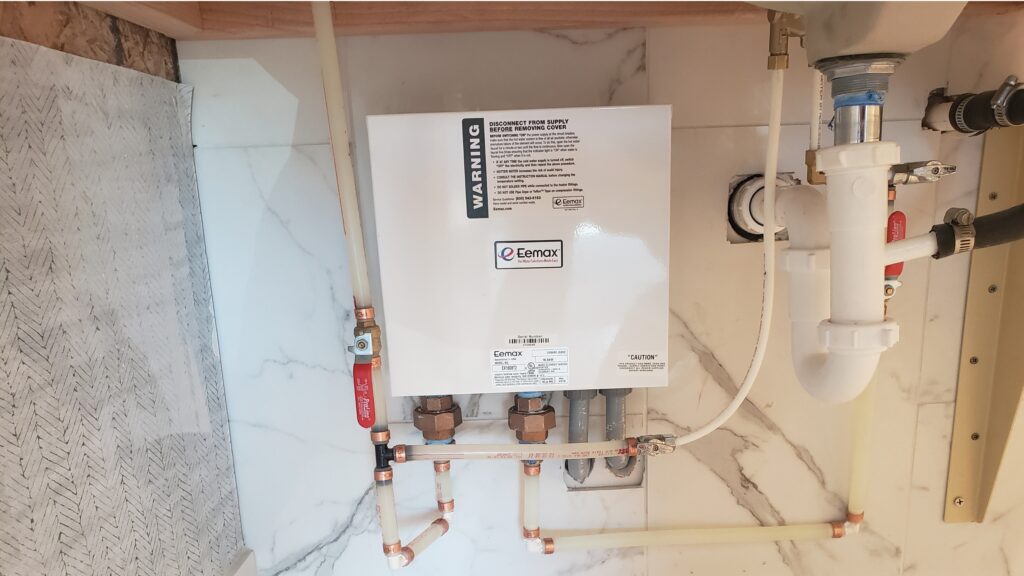
Instantaneous water heaters are now included in the demand factors formerly reserved for kitchen equipment.
With the electrification and energy conservation efforts taking place across the U.S., instantaneous water heaters are almost certainly going to become more commonplace. The power consumption for these appliances is brief but immense and calculating them all at 100 percent would result in some truly massive load calculations. This section was revised to provide some relief to what is expected to be an ongoing concern.
This section has historically applied only to kitchens, but the wording of the NEC® separates instantaneous water heaters from the rest of the equipment in this section, which seems to indicate that the table can be used regardless of where the instantaneous water heaters are installed. It is also worth noting that the statement from the Code-Making Panel (CMP-2) says that the table applies to all types of instantaneous water heaters.
About the Author

Ryan Jackson is a textbook author and instructor in Salt Lake City, UT, teaching the NEC® countrywide for three decades. His textbooks are used throughout the IEC Apprenticeship Program. Ryan serves on NEC® Code-Making Panels 3 and 17 and several technical committees for UL Standards and Engagement. He also is a technical consultant for the Steel Tube Institute and has worked as an expert witness on several NEC®-related legal matters.
A Complete Guide to the 2026 NEC® Changes by Ryan Jackson is available for purchase. Buy your copy through the IEC Training Advantage bookstore at iectraining.com.